
Hey everybody – I seem to be constantly a few days behind in posting updates to my blog! It seems that every day flies by in a whirlwind of conversations, deep thought, new experiences and deep conversations.
So I want to go back to a meeting I had in London with Lalah Simone Springer, a journalist, writer, published poet and community engagement practitioner. I was interested in how Lalah had directed their creative practice into community, not only through their own spoken word poetry events but also by leading poetry-writing workshops that bring people literally around a table to share the intimate experience of writing poetry and then sharing their processes and very often their work for the first time.
I’ve attended one of Lalah’s workshops back in Melbourne when they were on their book tour and I found it really powerful. The experience of sitting around a table of very different and diverse people, sharing an hour of creativity together, led to moments of real vulnerability and deep connection that I never would have expected between some people around that table.
Lalah’s argument is that joy is a strong builder of personal resilience and sharing joy is a powerful builder of connection. We discussed the importance of human interaction in the real world, maybe in a more structured way than we’ve needed before as a society, to help us escape our customised online realities and reconnect in a way that counteracts the algorithms that keep us polarised.
Speaking about her book, “Joyful”, writer Ingrid Fetell Lee said, “Research shows that little moments of joy can help our bodies recover from the physiological effects of stress, and they can help us find meaning and purpose in tragic events. Rather than being a distraction, when we allow ourselves a moment of joy, it creates a respite that makes us more resilient. And the same is true of our relationships. Celebrating small joys with others deepens our bonds and increases our sense of trust that we’ll be there for each other when things go wrong.”
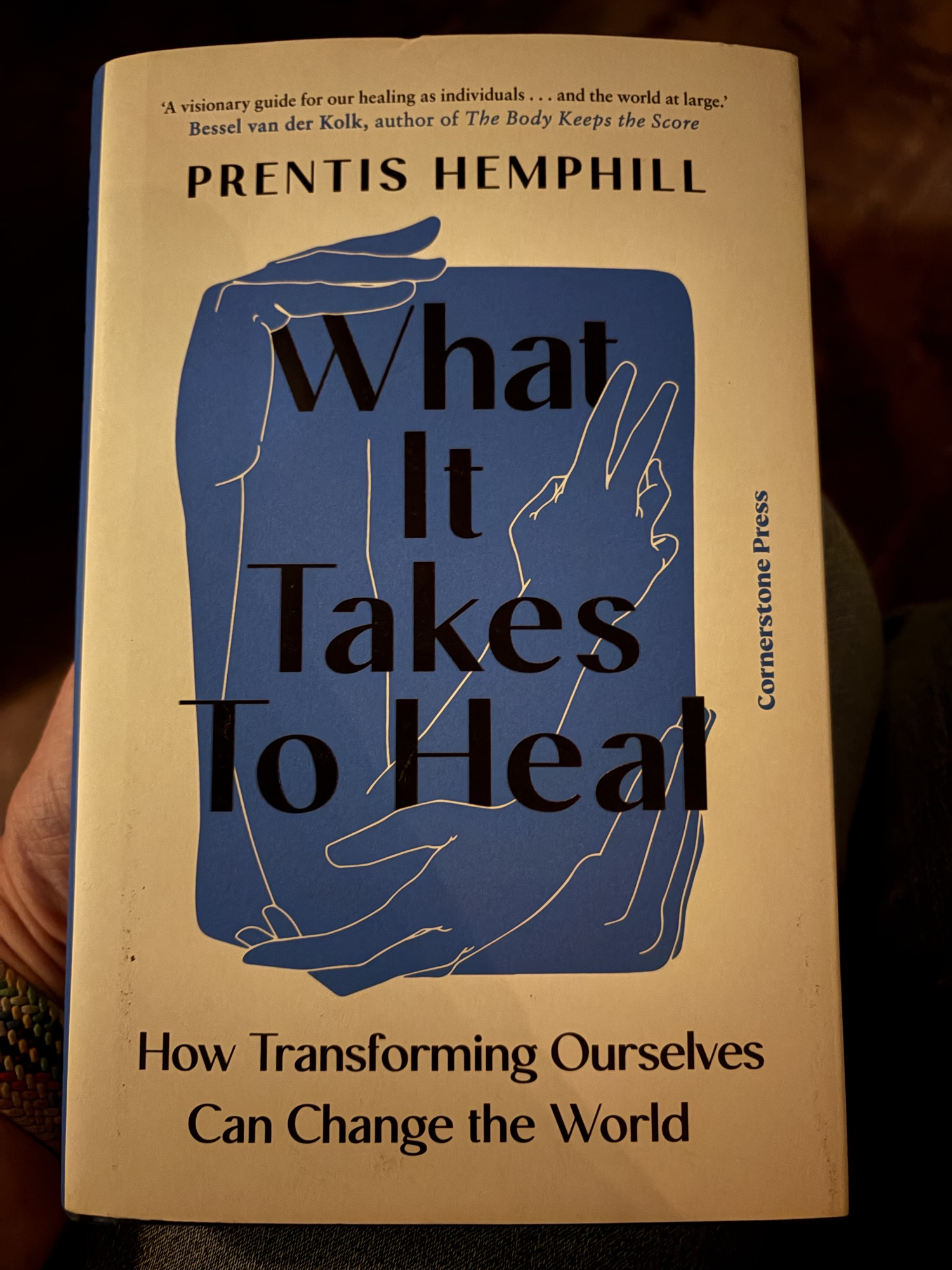
Lalah shared their experience of listening to Prentis Hemphill speak recently in London. Hemphill’s recent book “What it Takes to Heal” describes a framework that helps us “to develop the interpersonal skills necessary to break down the doors of disconnection and take the necessary risks to reshape our world”. Hemphill’s argument is that we are less able to connect when we are under stress; and that externally-imposed stress situations have been designed and instigated to keep us uncertain, precarious, polarised and fragmented.
But under deep stress, Hemphill said, “people also learn to build and plan and revolt and make music and create art… As we face world-ending moments, do we dare to come together and create together?”
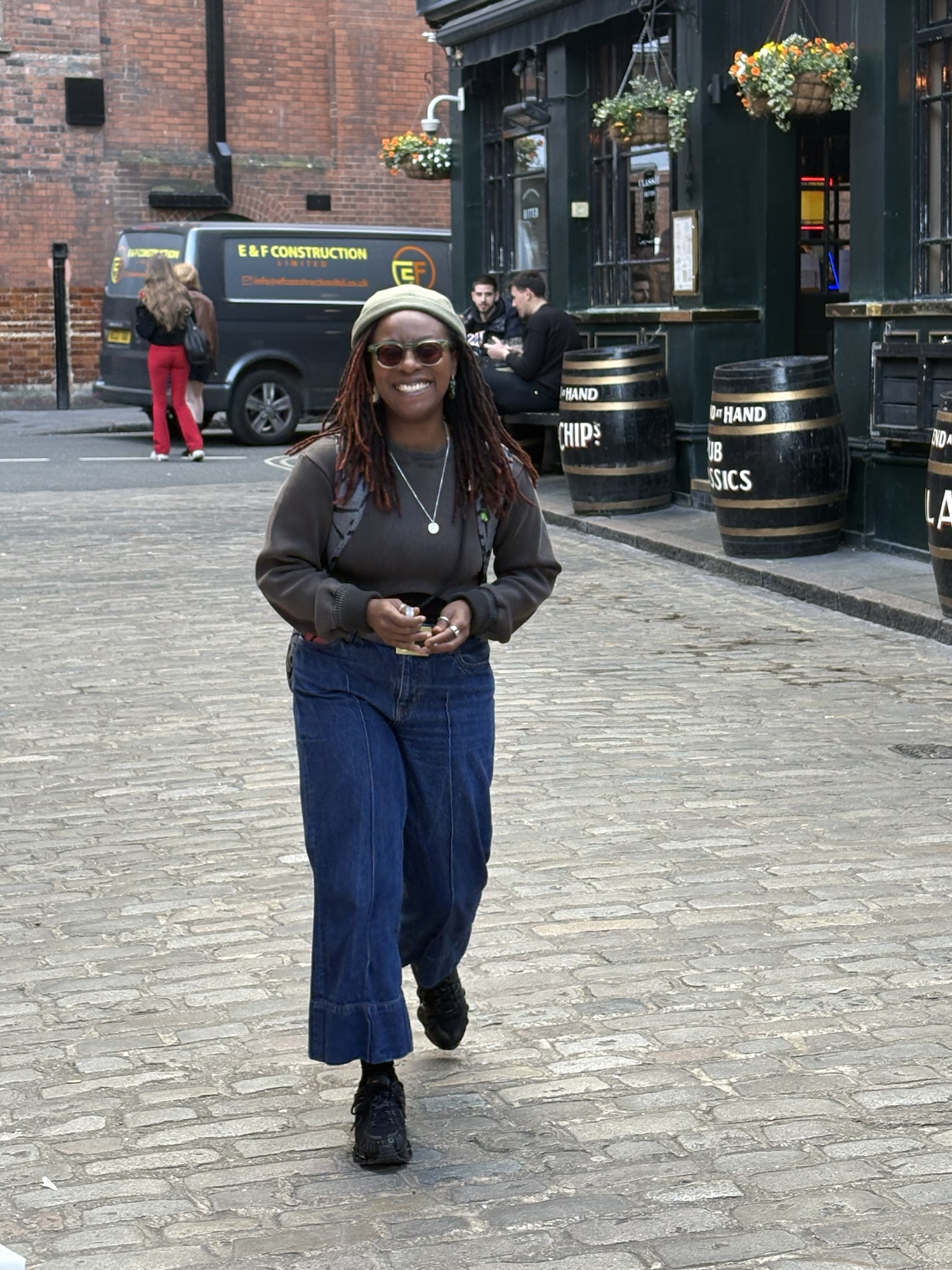
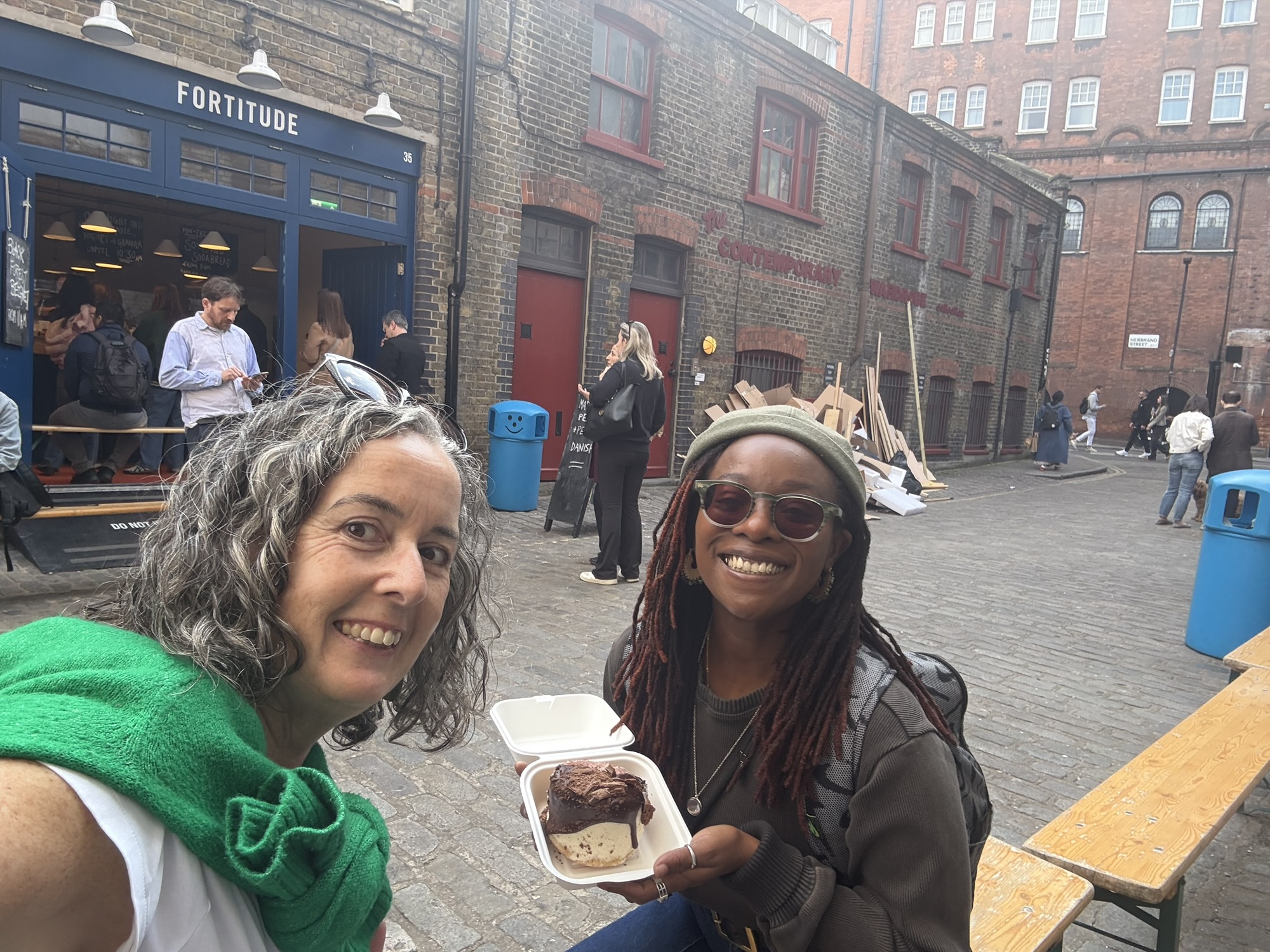
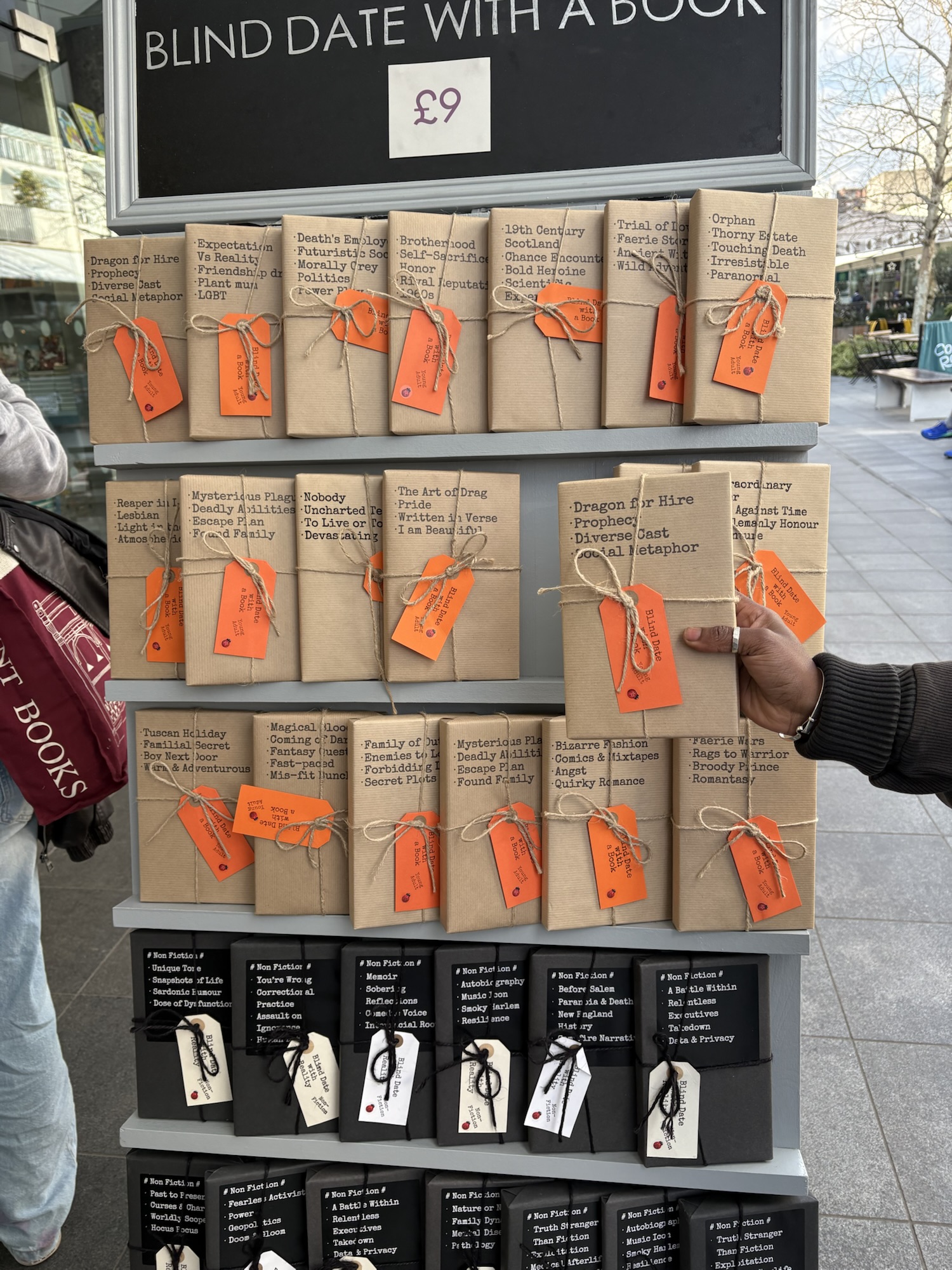
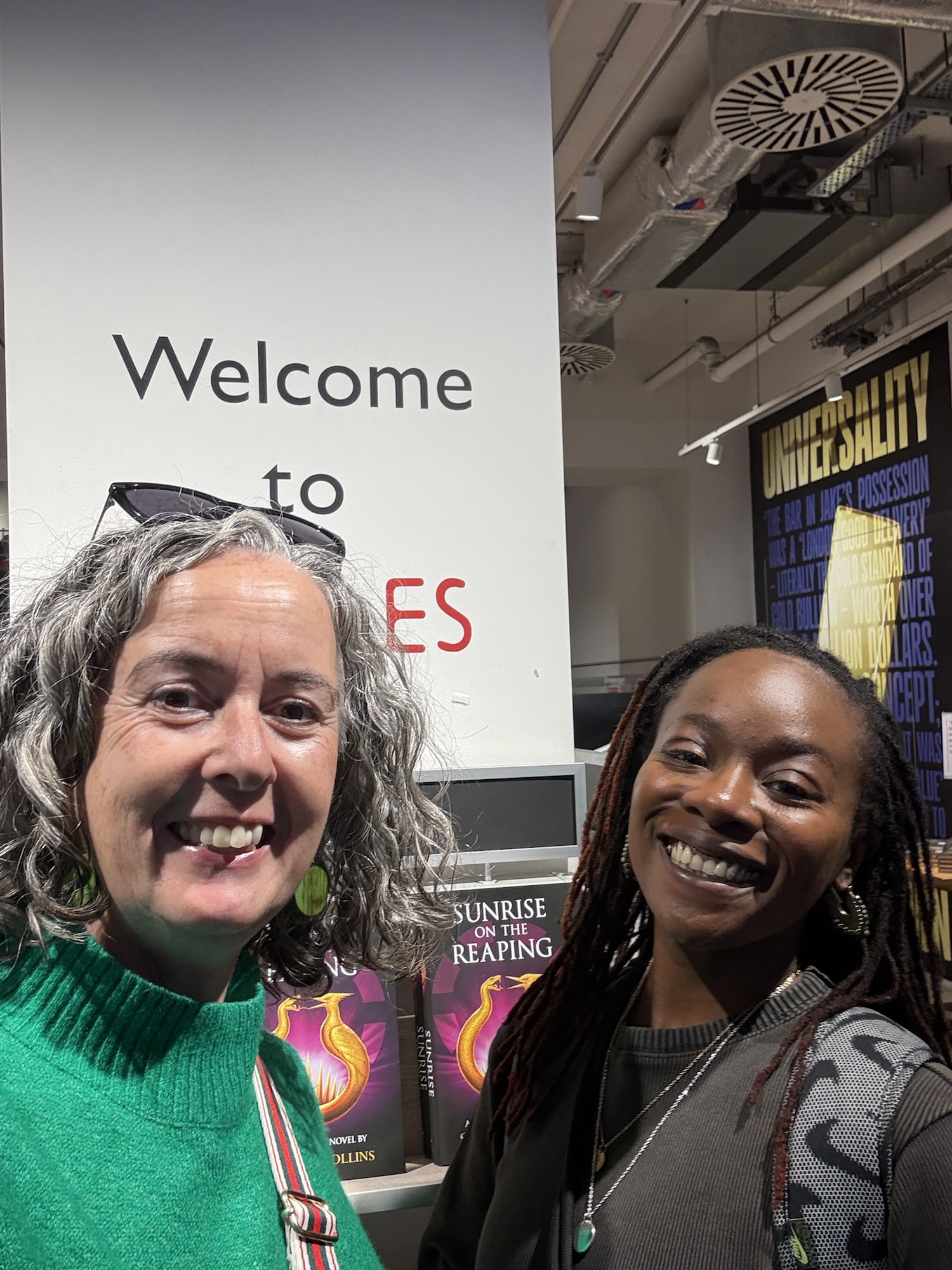
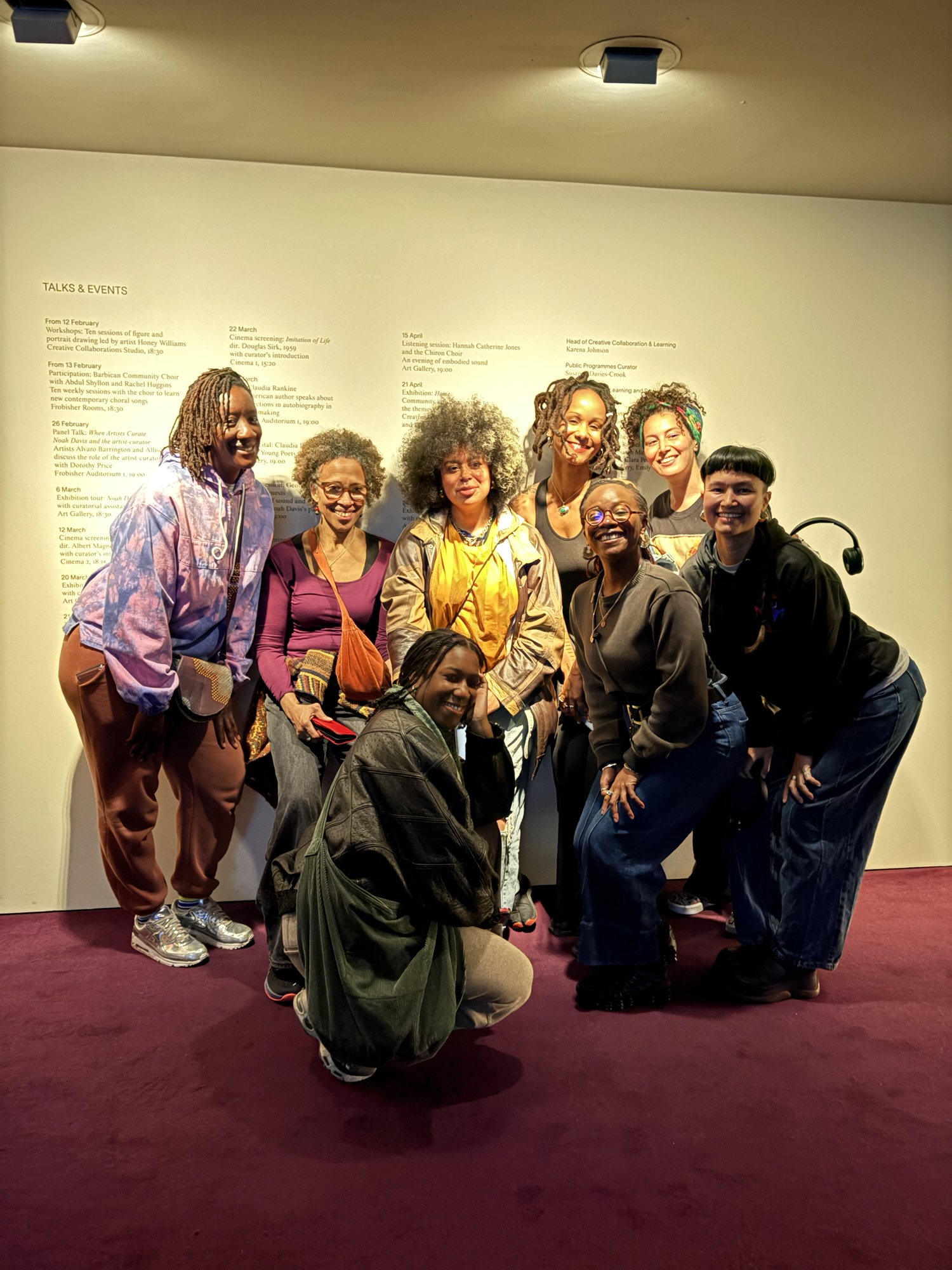
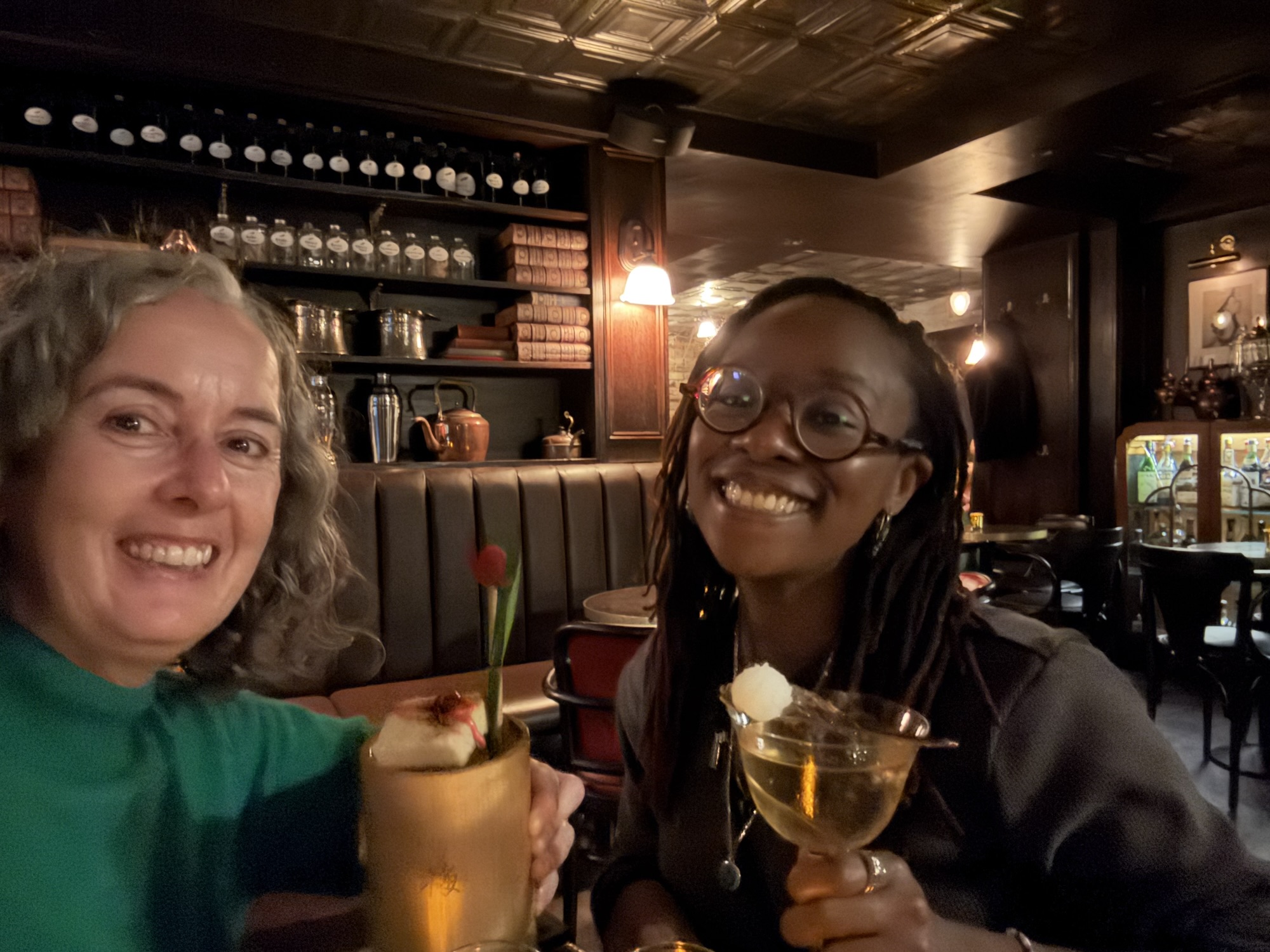
My conversation with Lalah spanned a day that included Insta-worthy beignets, a visit to Foyles (to buy Hemphill’s book and Harry Baker’s poetry book “Unashamed”, which also speaks of joy through connection), lunch at the Brunswick Centre, a visit to the Barbican to visit an exhibition on the work of artist Noah Davis, conversations with members of Chiron Choir, and cocktails in a hidden bar in Shoreditch. And let me tell you, a day like that sparked more joy and connection and deep thought than I’ve had in a long time.
Thank you, Lalah.


 Máiréad Doyle
[heart] Leanne Ayers reacted to your message: